
Vi-Shift Glasses: Adjustable Eyewear, Technology, and Practical Considerations
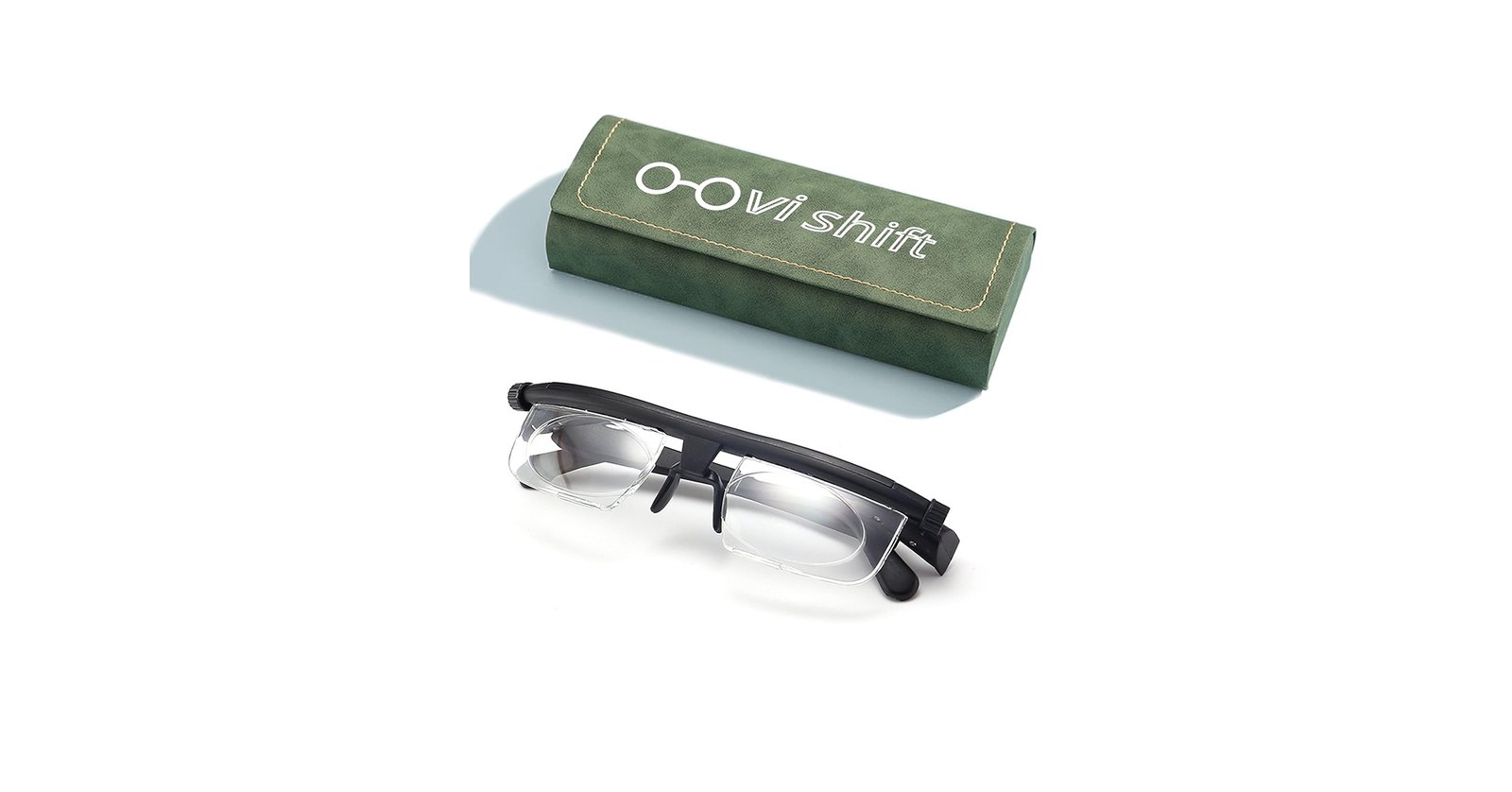
Vision correction has traditionally relied on fixed prescription lenses, bifocals, or progressive glasses. However, with changing lifestyles—especially increased screen use and multitasking—there has been growing interest in more flexible visual solutions. Among newer concepts in this space are products like “Vi-Shift Glasses,” which are marketed as adjustable-focus eyewear designed to adapt to different viewing needs.
This article takes a non-promotional, evidence-based look at Vi-Shift Glasses, examining how they work, what they claim to offer, their potential advantages, and the limitations or concerns associated with such products.
What Are Vi-Shift Glasses?
Vi-Shift Glasses are described as adjustable-focus eyewear that allows users to manually control the optical power of each lens. Unlike traditional prescription glasses, which are fixed to a specific diopter value, these glasses enable real-time adjustment for different distances.
According to available descriptions, they are designed to provide clear vision for both near and far objects without requiring multiple pairs of glasses.
Core concept:
-
One pair of glasses
-
Adjustable lens strength
-
Usable for multiple activities (reading, screens, distance viewing)
This idea places them within a category often referred to as “adaptive” or “variable-focus” eyewear.
How Do Adjustable Glasses Work?
The primary feature of Vi-Shift Glasses is their adjustable lens mechanism. While the exact design can vary slightly, most descriptions highlight a similar working principle.
1. Dial-Based Adjustment System
Each lens is connected to a small dial located on the frame. By turning the dial, users can modify the focal strength of the lens independently for each eye.
This allows:
-
Custom focus for each eye
-
Adjustment for different distances
-
Real-time correction without switching glasses
2. Sliding or Fluid Lens Technology
Some descriptions suggest that the lenses rely on a flexible structure—sometimes involving fluid-filled membranes or sliding lens elements—that changes shape when adjusted.
Basic principle:
-
Increasing curvature → better for close-up vision
-
Flattening lens → better for distance vision
This mechanism mimics how traditional optical lenses work but allows manual control instead of fixed manufacturing.
3. Wide Diopter Range
Many adjustable glasses in this category, including Vi-Shift, are said to cover a range roughly between:
-
-6 diopters (nearsightedness)
-
+3 diopters (farsightedness)
This makes them theoretically usable by individuals with varying vision needs, though not all prescriptions fall within this range.
Intended Use Cases
Vi-Shift Glasses are often positioned as versatile eyewear for people who need different types of vision correction throughout the day.
Common scenarios include:
-
Reading books or documents
-
Working on computers or mobile devices
-
Watching TV or driving
-
Hobbies requiring focus at varying distances
The central idea is convenience—reducing the need to switch between reading glasses, distance glasses, or bifocals.
Differences from Traditional Eyewear
To understand where Vi-Shift Glasses fit, it is useful to compare them with standard vision correction options.
1. Prescription Glasses
-
Fixed lens power
-
Custom-made based on eye exam
-
High optical precision
2. Bifocals/Progressives
-
Multiple focal zones
-
No manual adjustment needed
-
Require adaptation period
3. Adjustable Glasses (Vi-Shift type)
-
Manual control of focus
-
Single lens for all distances
-
No prescription required
Unlike bifocals, adjustable glasses rely on user input rather than built-in optical zones.
Potential Advantages
While outcomes vary, there are several theoretical or reported advantages associated with adjustable-focus eyewear.
1. Flexibility and Convenience
One of the most commonly cited benefits is the ability to use a single pair of glasses for multiple tasks.
This can be especially useful for:
-
People who frequently switch between tasks
-
Travelers who prefer fewer items
-
Individuals with fluctuating vision
2. Personalized Adjustment
The independent control for each eye allows users to fine-tune their vision in real time.
This may help:
-
Accommodate differences between eyes
-
Adjust quickly to changing visual needs
-
Experiment with focus levels
3. Accessibility
Because they do not require a prescription, these glasses may appeal to individuals who:
-
Do not have immediate access to eye care services
-
Need a temporary or backup solution
-
Want a general-purpose visual aid
4. Reduced Need for Multiple Glasses
Adjustable eyewear aims to replace:
-
Reading glasses
-
Computer glasses
-
Distance glasses
This “all-in-one” concept is a key feature often emphasized in descriptions.
Additional Features Often Mentioned
Some versions of these glasses include extra features beyond adjustability.
Blue Light Filtering
Certain descriptions suggest that the lenses may include coatings designed to filter blue light from screens.
Potential effects:
-
Reduced digital eye strain
-
Improved comfort during screen use
-
Possible impact on sleep cycles
Lightweight and Ergonomic Design
Many models are described as:
-
Lightweight
-
Comfortable for extended wear
-
Designed for daily use
Impact-Resistant Materials
Some sources indicate the use of durable materials such as polycarbonate, which are commonly used in protective eyewear.
Limitations and Concerns
Despite the concept’s appeal, there are several important limitations to consider.
1. Optical Precision
Traditional prescription lenses are customized based on:
-
Exact refractive error
-
Astigmatism
-
Pupillary distance
Adjustable glasses typically do not account for all these factors, which may result in:
-
Less precise vision correction
-
Blurriness in certain conditions
-
Difficulty with prolonged use
2. Not a Replacement for Medical Care
While adjustable glasses may help with basic visual tasks, they do not replace:
-
Eye exams
-
Diagnosis of eye conditions
-
Treatment for vision disorders
Conditions such as glaucoma, cataracts, or retinal issues require professional care.
3. Learning Curve
Using dial-based adjustment requires:
-
Manual calibration
-
Trial and error
-
Frequent adjustments
Some users may find this inconvenient compared to automatic or fixed solutions.
4. Mixed User Experiences
Public reviews and feedback about such products vary widely.
Some users report:
-
Convenience and novelty
Others report issues such as:
-
Difficulty achieving clear focus
-
Build quality concerns
-
Limited effectiveness for certain prescriptions
This variation suggests that results depend heavily on individual expectations and needs.
Who Might Benefit from Adjustable Glasses?
Adjustable-focus eyewear may be more suitable for certain groups than others.
Potentially suitable for:
-
Individuals with mild vision changes
-
People with presbyopia (age-related near vision decline)
-
Users needing occasional vision support
-
Backup or emergency use
Less suitable for:
-
Individuals with complex prescriptions
-
People with astigmatism requiring correction
-
Long-term daily wear requiring high precision
-
Clinical eye conditions
Scientific Context: Adaptive Optics
The idea behind adjustable lenses is not entirely new. Similar principles are used in advanced optical systems such as:
-
Cameras
-
Microscopes
-
Scientific instruments
In these systems, changing the curvature of a lens alters its focal length—allowing precise control over image clarity.
Consumer products like adjustable glasses attempt to bring this concept into everyday use, though with simpler mechanisms and lower precision.
The Role of Marketing vs Reality
Products like Vi-Shift Glasses often exist in a space where marketing and functionality overlap.
Common marketing themes include:
-
“One pair for everything”
-
“No prescription needed”
-
“Instant clarity”
While these ideas reflect the intended concept, real-world performance can vary.
It is important to distinguish between:
-
Theoretical capability
-
Actual user experience
-
Clinical effectiveness
Eye Health Considerations
Regardless of the type of eyewear used, maintaining eye health involves several key practices:
1. Regular Eye Exams
Even if vision seems manageable, periodic check-ups are essential for detecting underlying issues.
2. Screen Habits
-
Follow the 20-20-20 rule (look away every 20 minutes)
-
Reduce glare and brightness
3. Lighting Conditions
Proper lighting reduces strain and improves visual comfort.
The Broader Trend in Vision Technology
Adjustable eyewear reflects a larger trend toward:
-
Personalization
-
Multi-function devices
-
Convenience-driven design
Other developments in this field include:
-
Smart glasses
-
Auto-focus lenses (still in development)
-
Digital vision correction technologies
While adjustable glasses are relatively simple compared to these innovations, they represent an early step toward more adaptable vision solutions.
Final Thoughts
Vi-Shift Glasses represent an interesting approach to vision correction by offering adjustable-focus lenses that can be modified in real time. The concept aims to simplify daily life by reducing the need for multiple pairs of glasses and providing flexibility for different visual tasks.