
Snorerx Plus Anti-Snoring Mouthpiece That Lets You Sleep in Quiet Comfort
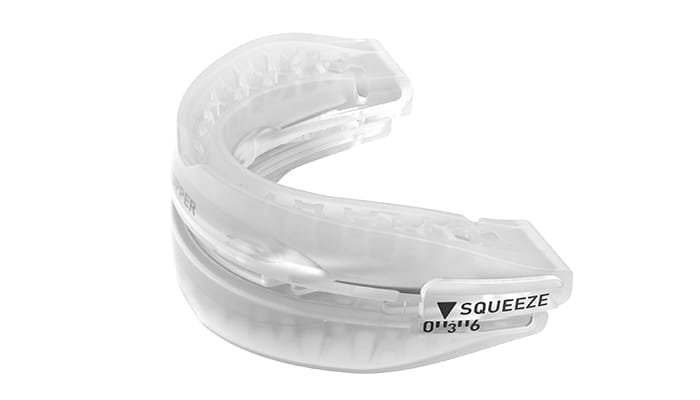
Snoring is one of the most common sleep-related issues affecting adults worldwide. It disrupts not only the sleeper’s rest but also that of partners and family members, often leading to fatigue, irritability, and long-term health concerns. While lifestyle changes and medical treatments exist, many people turn to oral appliances for a practical, non-invasive solution. Among these, SnoreRx Plus has gained attention as an anti-snoring mouthpiece designed to promote quieter, more restful sleep.
This article takes a neutral, informative look at SnoreRx Plus—what it is, how it works, its features, potential benefits, limitations, and who it may be suitable for—without promotional bias.
Understanding Snoring: Why It Happens
Snoring occurs when airflow through the mouth and nose is partially obstructed during sleep. This obstruction causes surrounding tissues to vibrate, producing the familiar sound. Several factors contribute to snoring:
- Relaxation of throat muscles during sleep
- The tongue falling backward and blocking the airway
- Nasal congestion or structural issues
- Sleeping position, especially lying on the back
- Lifestyle factors such as alcohol consumption or obesity
In many cases, snoring is harmless but disruptive. However, it can also be associated with more serious conditions like obstructive sleep apnea (OSA), which requires medical evaluation.
What Is SnoreRx Plus?
SnoreRx Plus is a type of oral appliance known as a mandibular advancement device (MAD). These devices are worn in the mouth during sleep and function by repositioning the lower jaw slightly forward.
This forward positioning helps keep the airway open, reducing the vibrations that cause snoring. MADs are among the most widely used and studied non-surgical solutions for snoring.
SnoreRx Plus represents an updated version of earlier mouthpieces, incorporating adjustable features and customizable fitting.
How SnoreRx Plus Works
At its core, SnoreRx Plus works through mechanical repositioning of the jaw. During sleep, the muscles in the throat relax, and the tongue may fall backward, narrowing the airway. This is where the device comes into play.
- It gently moves the lower jaw forward
- This movement increases space in the airway
- Improved airflow reduces tissue vibration and snoring
Oral appliances like this rely on structural support rather than airflow pressure (as used in CPAP machines), which many users find more comfortable.
Key Features of SnoreRx Plus
Although different mouthpieces share similar principles, SnoreRx Plus includes several design features worth understanding:
1. Adjustable Jaw Positioning
The device allows users to adjust the forward position of the jaw in small increments (often around 1 mm). This gradual adjustment helps users find a balance between effectiveness and comfort.
2. Custom Fit (Boil-and-Bite Design)
Users can mold the device at home by softening it in hot water and biting into it to create a personalized impression.
3. Mouth Breathing Capability
Some designs include airflow channels that allow breathing through the mouth, which may be useful for people with nasal congestion.
4. Full Mouth Movement
Unlike rigid devices, some versions permit limited jaw movement, allowing users to speak or drink water without removing the mouthpiece.
5. Material Construction
Typically made from medical-grade thermoplastic materials, these devices are designed to be durable and free from latex or metal components.
Potential Benefits
Improved Sleep Quality
By reducing snoring, the device may contribute to fewer sleep disruptions for both the user and their partner.
Non-Invasive Alternative
Compared to surgical options or continuous positive airway pressure (CPAP) therapy, oral appliances are less invasive and easier to use.
Customizable Comfort
Adjustability allows users to fine-tune the device over time, potentially reducing discomfort.
Accessibility
Many anti-snoring mouthpieces, including SnoreRx Plus, are available without a prescription, making them accessible to a wide audience.
Limitations and Considerations
While anti-snoring mouthpieces can be effective, they are not a universal solution.
Adjustment Period
Users often need time to adapt. Initial discomfort, gag reflex, or excessive salivation may occur during early use.
Jaw or Tooth Discomfort
Because the device repositions the jaw, some users experience soreness or pressure on teeth and gums.
Not Suitable for Everyone
Individuals with certain dental conditions, temporomandibular joint (TMJ) disorders, or severe sleep apnea may not be ideal candidates.
Maintenance Required
Regular cleaning is necessary to maintain hygiene and prolong the device’s lifespan.
Temporary Solution
These devices manage symptoms rather than addressing underlying causes of snoring.
What Real Users Often Report
User experiences with mandibular advancement devices vary widely. Some report significant improvements in sleep quality and reduced snoring, while others note initial discomfort.
For example, in online discussions:
“It takes some getting used to… but after that I was fine.”
This highlights a common theme: adaptation is often necessary before benefits are fully realized.
Who Might Benefit from SnoreRx Plus?
SnoreRx Plus and similar devices may be suitable for:
- Individuals with mild to moderate snoring
- People who cannot tolerate CPAP therapy
- Those seeking a non-surgical option
- Individuals without major dental or jaw issues
However, anyone experiencing symptoms of sleep apnea—such as gasping during sleep, excessive daytime fatigue, or frequent awakenings—should consult a healthcare professional before using such devices.
Comparison with Other Anti-Snoring Solutions
CPAP Machines
- Highly effective for sleep apnea
- Less comfortable for some users
- Requires electricity and maintenance
Nasal Strips or Sprays
- Easy to use
- Limited effectiveness for airway obstruction
Lifestyle Changes
- Weight loss, reduced alcohol intake, and sleep position changes can help
- Often recommended alongside other treatments
Surgical Options
- Permanent but invasive
- Typically reserved for severe cases
Compared to these, oral appliances offer a middle ground—more effective than simple remedies but less complex than medical devices.
Safety and Medical Considerations
Anti-snoring mouthpieces are generally considered safe when used correctly. However, users should be aware of potential side effects:
- Jaw discomfort or stiffness
- Tooth alignment changes over long-term use
- Gum irritation
Experts recommend consulting a dentist or physician, especially if symptoms persist or worsen.
Additionally, snoring can sometimes indicate underlying health issues, including cardiovascular risks or sleep apnea, making professional evaluation important.
The Science Behind Mandibular Advancement
Mandibular advancement devices are supported by research and clinical use. Studies suggest that:
- They can reduce snoring significantly
- They are effective for many individuals with mild to moderate sleep apnea
- Compliance rates are often higher than CPAP therapy because they are easier to use
However, effectiveness varies depending on individual anatomy and the severity of the condition.
Tips for Using an Anti-Snoring Mouthpiece
If considering a device like SnoreRx Plus, the following general tips may help:
- Follow fitting instructions carefully to ensure proper customization
- Start with minimal adjustment and increase gradually
- Allow time to adapt, wearing it for short periods initially
- Maintain hygiene by cleaning the device regularly
- Monitor comfort and effectiveness and discontinue use if significant discomfort occurs
Cost and Accessibility
Anti-snoring mouthpieces typically fall within a moderate price range compared to medical treatments. They are widely available online and in some retail stores.
While they may need replacement after a certain period, they are generally more affordable than surgical interventions or long-term CPAP therapy.
Final Thoughts
SnoreRx Plus represents a common approach to managing snoring through mechanical airway support. As a mandibular advancement device, it aligns with a broader category of oral appliances that have been widely used and studied.
Its adjustable design, custom fit, and non-invasive nature make it an appealing option for many individuals seeking relief from snoring. However, like all such devices, it is not universally effective and may require an adjustment period.