
Purisaki Berberine Patches Explained: What the Research Says
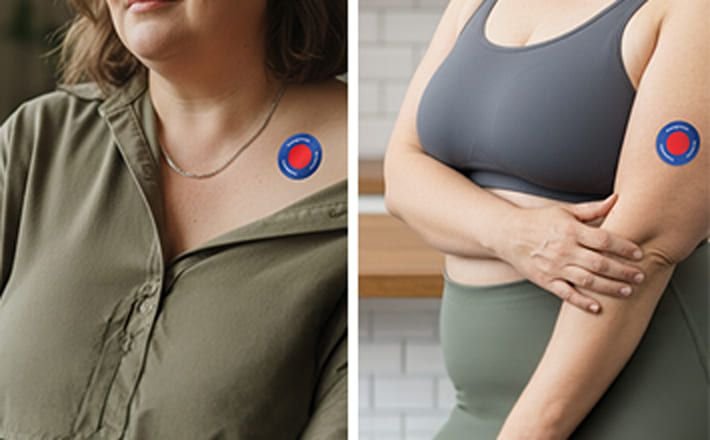
Overview of Purisaki Berberine Patches
Transdermal patches that deliver botanical compounds have become increasingly common in the wellness market. Among them, patches that aim to deliver berberine — a plant-derived alkaloid studied for effects on glucose and lipid metabolism — are drawing consumer interest. This article examines the concept, science, potential benefits, drawbacks, and practical considerations surrounding Purisaki Berberine Patches in an objective, non-promotional way so readers can better understand what such a product is, what the current evidence supports, and what questions remain.
What is berberine?
Berberine is a yellow-colored isoquinoline alkaloid found in a variety of plants, including Berberis (barberry), Coptis (goldthread), and Hydrastis canadensis (goldenseal). In traditional medicine systems it has been used for gastrointestinal complaints and infections; in modern biomedical research it has attracted attention because laboratory and clinical studies suggest it can influence metabolic pathways — notably glucose regulation, lipid profiles, and cellular energy sensors such as AMP-activated protein kinase (AMPK).
Clinical trials of oral berberine have reported modest improvements in fasting blood glucose, postprandial glucose, HbA1c, and some lipid parameters in people with metabolic syndrome or type 2 diabetes. However, oral berberine faces challenges: low oral bioavailability, extensive first-pass metabolism by the liver and gut, and notable gastrointestinal side effects (nausea, constipation, diarrhea) in some users.
Why use a patch for berberine?
Transdermal (through-the-skin) delivery aims to bypass the digestive tract and first-pass liver metabolism. In theory, delivering berberine via a patch could provide several advantages:
-
Avoid gastrointestinal irritation that some people experience with oral berberine.
-
Sustain release a steady low-level exposure over hours or days rather than a single oral bolus.
-
Bypass first-pass metabolism, potentially increasing the fraction of the active compound reaching systemic circulation.
-
Convenience and adherence: a daily or multi-day patch may be easier for some people than multiple daily pills.
However, transdermal delivery has important scientific and practical constraints. Not all molecules penetrate the skin effectively. Factors that determine whether a compound is a good transdermal candidate include molecular size, lipophilicity, required dose, and the use of penetration enhancers in the formulation. Berberine is relatively polar and has historically shown limited skin permeability in the absence of formulation strategies designed to enhance skin absorption. That means a patch must be specifically designed (use of chemical enhancers, nanoformulations, or other technologies) to deliver meaningful systemic amounts.
How do berberine patches work (in principle)?
A typical transdermal patch contains:
-
An active layer with berberine formulated into a matrix or reservoir.
-
An adhesive that keeps the patch in place on the skin.
-
A backing layer to protect the patch and control the direction of release.
-
Optionally, permeation enhancers (e.g., ethanol, propylene glycol, oleic acid), microneedle arrays, or nanoparticle carriers that increase skin penetration.
The patch is applied to clean, dry skin and releases berberine continuously. The molecule diffuses across the stratum corneum (the skin’s outermost layer) and into systemic circulation. The actual delivered dose depends on berberine concentration in the patch, patch surface area, wear time, skin site, and individual skin properties.
Evidence: what do we know about transdermal berberine?
As of today, the strongest evidence for berberine’s metabolic effects comes from oral formulations and clinical trials. There is limited publicly available clinical data specifically demonstrating that transdermal berberine patches deliver therapeutically relevant systemic levels or produce the same metabolic effects as oral berberine. Successful transdermal delivery requires overcoming berberine’s physicochemical limitations; while preclinical formulation studies may show promise, robust, peer-reviewed human pharmacokinetic and efficacy trials are necessary to confirm that patches achieve intended blood levels and clinical outcomes.
Put simply: the therapeutic potential of berberine is supported by research, but whether a given berberine patch provides comparable, superior, or even clinically meaningful exposure remains a question until validated by well-designed human studies.
Potential benefits (based on what berberine may do)
If a patch were able to deliver sufficient berberine systemically, potential benefits — supported by oral berberine studies — might include:
-
Improvements in glycemic markers: modest reductions in fasting glucose, postprandial glucose, and HbA1c in people with insulin resistance or type 2 diabetes.
-
Lipid profile modulation: reductions in total cholesterol, LDL cholesterol, and triglycerides in some studies.
-
Support for metabolic syndrome markers: potential improvements in blood pressure and weight have been reported in certain cohorts, typically alongside lifestyle changes.
-
Antimicrobial and gut health effects: berberine has in vitro antimicrobial activity; however, systemic effects at safe doses are complex and not a justification for unsupervised use.
Important caveat: these effects come primarily from oral berberine trials. Translating them to a transdermal product requires confirmatory data.
Risks, interactions, and safety considerations
Even natural compounds can cause side effects or interact with medications. Key safety points:
-
Hypoglycemia risk: berberine can lower blood glucose. In people on antidiabetic drugs (insulin, sulfonylureas, etc.), combining berberine can increase hypoglycemia risk. Anyone with diabetes should consult their healthcare provider before adding berberine in any form.
-
Drug interactions: berberine can inhibit or induce drug-metabolizing enzymes (including cytochrome P450 isoenzymes) and efflux transporters such as P-glycoprotein. This may alter levels of other drugs (e.g., anticoagulants, immunosuppressants, certain statins, and others).
-
Pregnancy and breastfeeding: safety data are insufficient; most guidance recommends avoiding berberine during pregnancy and lactation.
-
Pediatric use: not generally recommended without medical supervision.
-
Skin reactions: transdermal patches can cause local irritation, contact dermatitis, or allergic reactions at the application site. Patch adhesives and permeation enhancers are common culprits.
-
Quality and dose uncertainty: supplements are not regulated to the same extent as prescription drugs in many jurisdictions; product labels may not always reflect actual content. Transdermal products can vary in the amount of active constituent delivered.
Because transdermal formulations are less studied for many botanicals, extra caution is warranted. If you’re on prescription medications, pregnant, breastfeeding, or have chronic disease, discuss any new supplement or patch with a clinician or pharmacist.
Practical considerations when evaluating a berberine patch product
If you are evaluating Purisaki Berberine Patches or any similar product, consider the following checklist:
-
Transparency on dose and release rate: Look for the amount of berberine per patch and the claimed duration of delivery (e.g., 24 hours). A manufacturer should state the active dose and ideally the expected systemic exposure or release profile.
-
Third-party testing: Certificates of analysis (COAs) from independent labs increase confidence that the product contains what it claims and is free from contaminants.
-
Clinical data: Does the manufacturer provide human pharmacokinetic data showing blood levels achieved after patch use? Are there published clinical trials showing safety and efficacy of the transdermal product itself?
-
Ingredient list: Note all components — not just berberine but adhesives, excipients, and any enhancers. This helps identify potential allergens or irritants.
-
Regulatory compliance: Check local regulatory status. A patch marketed as a cosmetic has different requirements than one sold with therapeutic claims.
-
User guidance: Clear instructions for application site rotation, wear time, and disposal reduce risks like skin irritation or accidental exposure.
-
Customer support and lot traceability: Contact information, batch numbers, and traceability indicate higher manufacturing standards.
Environmental and disposal notes
Patches often contain adhesives and synthetic backing materials. Proper disposal reduces environmental footprint and prevents accidental exposure to children and pets. Follow the product’s disposal instructions; do not flush patches down the toilet. If the patch contains an active pharmaceutical ingredient, treat disposal as you would for used medication — in a sealed container with household trash or through a medicine take-back program if available.
Summary: balanced perspective
Berberine is a well-studied botanical compound with evidence — mainly from oral formulations — suggesting modest benefits for metabolic markers. Transdermal patches offer theoretical advantages such as bypassing the digestive tract and providing sustained delivery, and they may appeal to people seeking alternatives to pills. However, the scientific bridge between oral berberine research and transdermal berberine patches is not automatically crossed: skin permeability, dosing, formulation specifics, and reliable human pharmacokinetic/efficacy data are the critical missing pieces for many products on the market.
If you are considering Purisaki Berberine Patches or any transdermal berberine product:
-
Ask whether the product has human data showing it delivers meaningful systemic berberine levels.
-
Verify third-party testing and transparent labeling.
-
Discuss use with a healthcare provider if you have diabetes, take prescription medicines, are pregnant/breastfeeding, or have other chronic conditions.
-
Monitor for skin irritation and systemic side effects.
Final note
Supplements and novel delivery systems can provide interesting options, but a cautious, evidence-based approach is wise. Consumers benefit most from transparent manufacturers and peer-reviewed human data. If you want, I can help you compare product labels, draft questions to ask a physician or pharmacist, or summarize any clinical papers you find on transdermal delivery of berberine.