
HaloGrow: Exploring Modern Approaches to Hair and Scalp Care
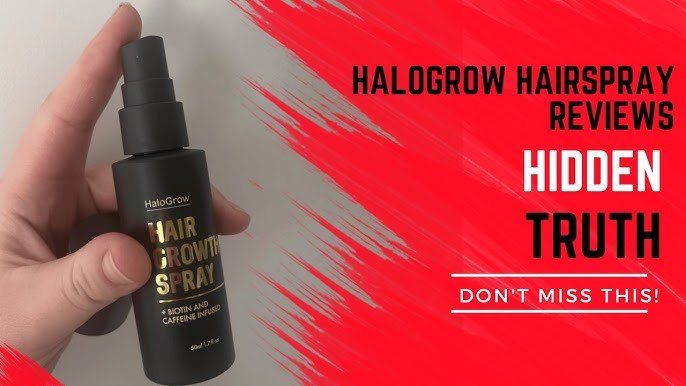
Hair health is closely connected to overall well-being and personal confidence. For many individuals, changes in hair thickness, growth rate, or scalp condition can become noticeable over time. Factors such as aging, genetics, stress, environmental conditions, and lifestyle habits can all influence hair growth patterns. As a result, interest in modern technologies designed to support scalp health and hair vitality has increased significantly.
One concept that has gained attention in recent years is HaloGrow, a name commonly associated with hair growth technologies and scalp care devices that utilize light-based stimulation. While product designs and features may vary, devices in this category typically aim to support the natural hair growth cycle through non-invasive methods.
This article examines the science behind hair growth, the factors that influence hair health, and how devices like HaloGrow are positioned within the broader field of hair care technology.
Understanding the Hair Growth Cycle
To understand the role of scalp care technologies, it is important to first understand how hair naturally grows.
Human hair grows from follicles located beneath the surface of the scalp. Each hair follicle operates independently and goes through a repeating cycle consisting of several phases.
1. Anagen Phase (Growth Stage)
The anagen phase is the active growth stage of the hair follicle. During this period, cells in the root divide rapidly, allowing hair to grow continuously. This phase can last anywhere from two to seven years, depending largely on genetics.
Most healthy scalps have approximately 85–90% of hair follicles in the anagen phase at any given time.
2. Catagen Phase (Transition Stage)
The catagen phase is a short transitional period lasting about two to three weeks. During this stage, hair growth slows and the follicle begins to shrink.
Only a small percentage of hair follicles are in this stage at any given time.
3. Telogen Phase (Resting Stage)
The telogen phase is the resting period of the hair cycle. Hair does not actively grow during this time, but it remains attached to the follicle.
After about two to four months, the hair eventually sheds, allowing a new strand to begin growing from the same follicle.
Hair shedding during this stage is normal, and most people lose 50 to 100 hairs per day as part of the natural cycle.
Common Causes of Hair Thinning
Hair thinning or hair loss can occur when the hair growth cycle is disrupted or when follicles become inactive. Several factors may contribute to these changes.
Genetics
One of the most common causes of hair thinning is androgenetic alopecia, often referred to as pattern hair loss. This condition affects both men and women and is influenced by genetic sensitivity to hormones called androgens.
Hormonal Changes
Hormonal fluctuations can influence hair growth patterns. Events such as pregnancy, menopause, or thyroid imbalance may temporarily or permanently alter the hair cycle.
Stress and Lifestyle Factors
High levels of physical or emotional stress can trigger a condition known as telogen effluvium, in which large numbers of hair follicles prematurely enter the resting phase.
Lifestyle factors such as poor nutrition, lack of sleep, and smoking may also influence hair health.
Nutritional Deficiencies
Hair follicles require nutrients to function properly. Deficiencies in nutrients such as iron, zinc, protein, vitamin D, and biotin may contribute to hair thinning in some individuals.
Scalp Health
The condition of the scalp itself also plays an important role in hair growth. Inflammation, poor circulation, or clogged follicles can potentially affect follicle activity.
Because of these various factors, hair growth solutions often focus not only on the hair itself but also on improving scalp conditions that support healthy follicles.
The Rise of Light-Based Hair Growth Technology
In recent years, light therapy has become a subject of interest in dermatology and cosmetic science. One form of this technology, known as Low-Level Laser Therapy (LLLT), has been studied for its potential effects on hair follicles.
LLLT uses low-intensity light at specific wavelengths to stimulate biological processes in cells. Unlike surgical lasers, which cut or heat tissue, low-level lasers are designed to deliver gentle light energy without causing damage.
Devices using this technology are sometimes incorporated into wearable products, such as caps, helmets, or headbands.
HaloGrow is commonly associated with this category of light-based hair growth devices.
What Is HaloGrow?
HaloGrow typically refers to a wearable scalp device designed to deliver low-level light therapy to the scalp.
The design is often similar to a cap or headband containing small laser or LED emitters positioned to target the hair follicles across the scalp.
These emitters release light at wavelengths commonly used in LLLT devices, often within the 630–680 nanometer range, which is believed to interact with cellular processes involved in hair follicle activity.
Most devices are designed for short treatment sessions, usually lasting 10 to 30 minutes, several times per week.
How Light Therapy May Affect Hair Follicles
Although research on light therapy and hair growth is ongoing, several biological mechanisms have been proposed to explain how low-level light may influence follicle activity.
Cellular Energy Production
One theory suggests that light energy can interact with mitochondria, the energy-producing structures inside cells.
When mitochondria absorb certain wavelengths of light, they may produce more adenosine triphosphate (ATP), the molecule that fuels cellular processes.
Increased ATP production could potentially support the metabolic activity of hair follicle cells.
Improved Circulation
Light therapy may also influence microcirculation in the scalp.
Improved blood flow could help deliver oxygen and nutrients to hair follicles, which may support their normal function.
Reduced Inflammation
Some researchers have suggested that low-level light may have anti-inflammatory effects in certain tissues.
Because inflammation can contribute to follicle disruption, reducing scalp inflammation could theoretically support healthier hair growth conditions.
Encouraging Follicles to Reenter the Growth Phase
Another proposed effect is that light therapy may encourage dormant hair follicles in the telogen phase to reenter the active anagen phase.
However, results may vary depending on individual biology and underlying causes of hair thinning.
Typical Features of HaloGrow-Style Devices
Although product specifications may vary, many wearable light therapy devices share similar design features.
Laser or LED Light Emitters
The device typically includes multiple light emitters arranged across the inner surface of the cap or band. These emitters distribute light evenly across different areas of the scalp.
Hands-Free Operation
Wearable designs allow users to undergo treatment while performing everyday activities such as reading, working, or relaxing.
Preprogrammed Treatment Sessions
Many devices include automatic timers that limit each session to a recommended duration. This helps ensure that users receive consistent exposure levels.
Rechargeable Power Systems
Modern devices often use rechargeable batteries that allow cordless operation during treatment sessions.
Lightweight Construction
To enhance comfort, many designs emphasize lightweight materials that reduce pressure on the head during use.
The Role of Scalp Health in Hair Growth
Hair follicles depend heavily on the condition of the scalp environment. Maintaining a healthy scalp can support optimal follicle activity regardless of whether technology-based treatments are used.
Important aspects of scalp health include:
-
Cleanliness: Removing excess oils, dirt, and product buildup helps keep follicles clear.
-
Hydration: A balanced moisture level prevents dryness and irritation.
-
Circulation: Healthy blood flow delivers oxygen and nutrients to follicles.
-
Inflammation control: Reducing irritation or scalp inflammation supports follicle stability.
Many hair care routines include scalp massages, specialized shampoos, and exfoliation products designed to maintain these conditions.
Devices like HaloGrow are sometimes used alongside these practices as part of broader scalp wellness routines.
Hair Care Habits That Support Natural Growth
Technology alone does not determine hair health. Daily habits and lifestyle choices can play a significant role in maintaining strong hair.
Balanced Nutrition
Hair follicles rely on nutrients from the bloodstream. A diet rich in protein, iron, vitamins, and essential fatty acids can support normal hair growth.
Stress Management
Chronic stress can disrupt the hair cycle. Practices such as exercise, meditation, or adequate sleep may help maintain hormonal balance.
Gentle Hair Care
Excessive heat styling, tight hairstyles, or harsh chemical treatments can damage hair shafts and follicles. Gentle handling reduces unnecessary stress on the hair.
Regular Scalp Care
Massaging the scalp during washing or applying conditioning treatments may help stimulate circulation.
These habits contribute to the overall environment in which hair follicles function.
Research and Scientific Interest
The scientific community continues to study light-based therapies for various medical and cosmetic applications. Several clinical studies have investigated low-level laser therapy for hair growth, with mixed but generally encouraging results.
Some studies suggest that LLLT devices may increase hair density or thickness in individuals experiencing pattern hair loss. However, outcomes often vary depending on:
-
The severity of hair thinning
-
The duration of treatment
-
Individual genetic factors
-
Overall health and lifestyle
Because research is still evolving, light therapy devices are often viewed as adjunct tools rather than standalone solutions.
Safety Considerations
Light therapy devices are generally designed with safety in mind, but responsible use is important.
Common safety guidelines include:
-
Following manufacturer instructions for treatment frequency and duration
-
Avoiding direct eye exposure to laser light
-
Consulting a healthcare professional for individuals with scalp conditions or medical concerns
Low-level lasers used in consumer devices typically produce minimal heat and are designed to avoid tissue damage when used correctly.
The Future of Hair Growth Technology
Interest in non-invasive hair care technologies continues to grow. Researchers and engineers are exploring new ways to combine biological research with consumer-friendly devices.
Potential future developments may include:
-
Smart scalp sensors that monitor follicle health
-
Personalized treatment programs based on hair density data
-
Mobile applications that track progress and usage patterns
-
Combination therapies that integrate light therapy with topical treatments
As technology evolves, devices like HaloGrow represent part of a broader trend toward personalized, at-home wellness solutions.
Conclusion
HaloGrow represents a category of modern hair care devices that utilize low-level light therapy to interact with scalp tissues and hair follicles. By delivering controlled light energy to the scalp, these devices aim to support the biological processes involved in the hair growth cycle.