
Audien Hearing Aids: Hearing Health, Technology, and Accessibility
Introduction
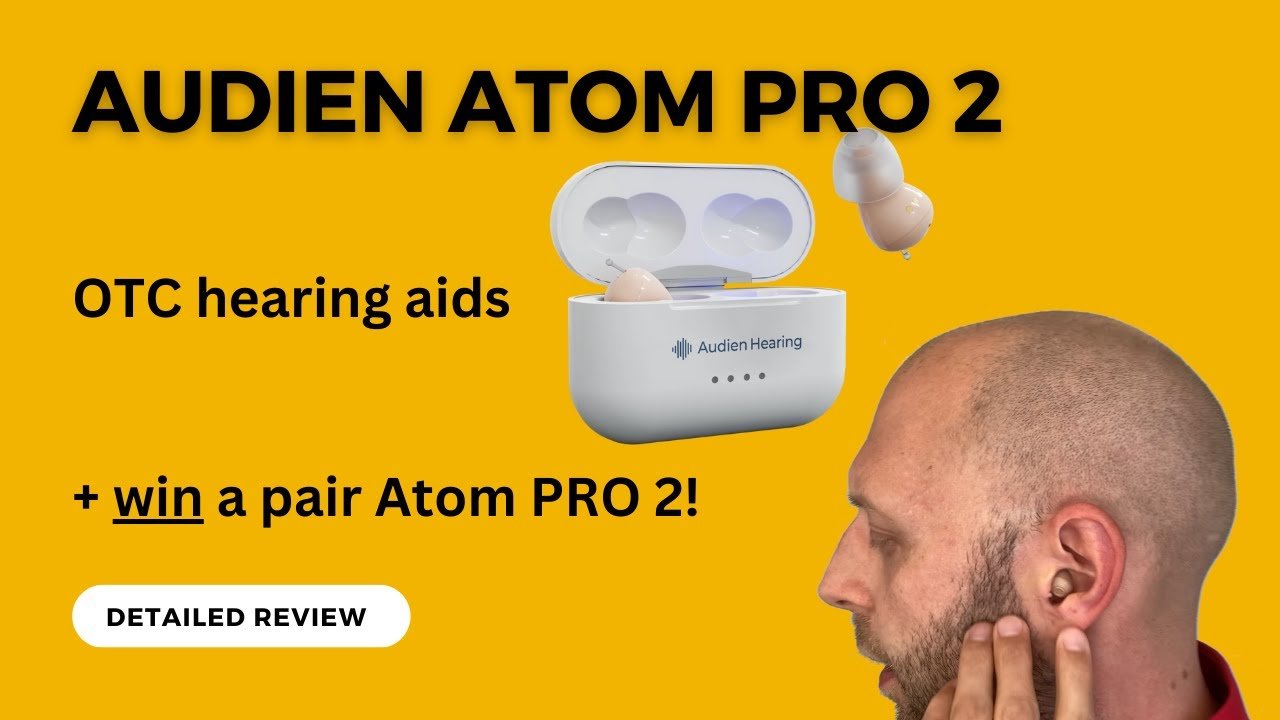
Hearing plays a critical role in communication, social connection, safety, and overall quality of life. When hearing ability declines, the effects often extend beyond sound perception, influencing emotional well-being, cognitive engagement, and daily functioning. As awareness of hearing health grows, so does interest in accessible hearing solutions, including devices such as Audien Hearing Aids.
This article offers a non-promotional, educational exploration of hearing health and modern hearing aid technology. It places Audien Hearing Aids within the broader context of hearing assistance devices, examining how hearing aids work, who may benefit from them, and what limitations and considerations are supported by current research.
Hearing Loss: Scope and Impact
Hearing loss is one of the most common sensory impairments worldwide. It can develop gradually or suddenly and may affect one or both ears. According to public health research, hearing ability often declines with age, but noise exposure, genetics, illness, and injury can also contribute.
Common Types of Hearing Loss
-
Sensorineural hearing loss
Caused by damage to the inner ear or auditory nerve, often age-related or noise-induced. -
Conductive hearing loss
Occurs when sound is blocked from reaching the inner ear, sometimes due to earwax, fluid, or structural issues. -
Mixed hearing loss
A combination of sensorineural and conductive components.
Most consumer hearing aids, including those similar to Audien Hearing Aids, are designed primarily for individuals with mild to moderate hearing loss rather than severe or profound impairment.
Consequences of Untreated Hearing Loss
Untreated hearing loss can influence multiple aspects of life. Research has linked hearing difficulties with:
-
Communication challenges and social withdrawal
-
Increased listening fatigue and frustration
-
Reduced workplace performance
-
Safety concerns, such as difficulty hearing alarms or traffic
-
Cognitive strain, especially in older adults
While hearing aids do not restore natural hearing, they can help amplify sound and improve clarity in many everyday situations.
How Hearing Aids Work
Modern hearing aids are compact electronic devices designed to amplify sound selectively. Though designs vary, most hearing aids follow the same basic process:
-
Sound capture – Microphones pick up external sounds
-
Signal processing – Digital processors analyze and modify sounds
-
Amplification – Sounds are amplified according to programmed settings
-
Sound delivery – Speakers transmit sound into the ear canal
Devices like Audien Hearing Aids generally aim to simplify this process for ease of use while remaining discreet.
Advances in Hearing Aid Technology
Over the past two decades, hearing aid technology has evolved significantly. Key developments include:
Digital Signal Processing
Modern devices can differentiate between speech and background noise, improving listening comfort in some environments.
Miniaturization
Smaller components allow for discreet, lightweight designs, including in-ear and behind-the-ear models.
Rechargeable Batteries
Rechargeable hearing aids reduce the need for frequent battery replacements and simplify daily use.
Preset Sound Profiles
Some hearing aids use preset amplification patterns rather than fully customized audiograms, making them more accessible but less individualized.
Audien Hearing Aids fall within the category of streamlined hearing devices that prioritize simplicity and affordability.
Over-the-Counter (OTC) Hearing Aids and Accessibility
In recent years, regulatory changes have expanded access to hearing aids. Over-the-counter hearing aids are now available for adults with perceived mild to moderate hearing loss without requiring a prescription.
Benefits of OTC Hearing Aids
-
Lower cost compared to traditional prescription devices
-
Greater accessibility without clinical appointments
-
Simpler controls and setup
Limitations
-
Less personalization than audiologist-fitted devices
-
May not address complex hearing loss patterns
-
Limited diagnostic support
Audien Hearing Aids are often discussed within this OTC category, reflecting broader efforts to reduce barriers to hearing care.
Hearing Aids vs. Personal Sound Amplification Products (PSAPs)
It is important to distinguish between hearing aids and other sound amplification devices.
-
Hearing aids are intended to compensate for hearing loss.
-
PSAPs are designed for recreational sound amplification, such as birdwatching or lectures.
Some devices blur the line between these categories, making it essential for users to understand the intended use and regulatory classification of their device.
Who May Benefit from Hearing Aids?
Hearing aids may be useful for individuals who:
-
Frequently ask others to repeat themselves
-
Struggle to hear conversations in noisy environments
-
Increase TV or phone volume beyond comfortable levels for others
-
Experience listening fatigue
Self-perceived hearing difficulty is often the first indicator prompting exploration of hearing support options. However, professional hearing evaluations remain the gold standard for diagnosis.
The Role of Hearing Tests
Hearing tests, or audiograms, measure hearing sensitivity across different frequencies. Clinical assessments help determine:
-
Degree of hearing loss
-
Frequency ranges affected
-
Suitability for hearing aids
OTC hearing aids may not require formal testing, but users should remain attentive to symptoms that suggest more serious hearing conditions requiring medical evaluation.
Adjustment and Adaptation
Using hearing aids involves an adjustment period. The brain must relearn how to interpret amplified sounds, especially if hearing loss has been present for an extended time.
Common adaptation experiences include:
-
Sounds initially feeling too sharp or loud
-
Increased awareness of background noise
-
Gradual improvement in speech clarity
Consistency of use often plays a key role in successful adaptation.
Maintenance and Care
Proper care can extend the lifespan and effectiveness of hearing aids. General maintenance practices include:
-
Keeping devices dry and clean
-
Charging or replacing batteries as recommended
-
Storing devices safely when not in use
-
Regularly checking for earwax buildup
Hearing aids like Audien Hearing Aids are typically designed for everyday convenience, but they still require basic care.
Hearing Health Beyond Devices
While hearing aids can support sound perception, hearing health is influenced by broader lifestyle factors:
-
Noise exposure management – Limiting prolonged exposure to loud environments
-
Cardiovascular health – Blood flow affects inner ear function
-
Cognitive engagement – Social interaction and mental stimulation support auditory processing
Hearing devices should be seen as one component of a comprehensive approach to auditory well-being.
Limitations of Hearing Aids
It is important to maintain realistic expectations. Hearing aids:
-
Do not restore normal hearing
-
May perform differently across environments
-
Cannot eliminate all background noise
-
Require adjustment and adaptation
Understanding these limitations can improve satisfaction and long-term use.
Ethical and Practical Considerations
As hearing technology becomes more accessible, ethical considerations include:
-
Ensuring accurate consumer education
-
Avoiding overstated claims
-
Encouraging medical evaluation when necessary
Non-promotional discussions of products like Audien Hearing Aids help support informed decision-making without replacing professional guidance.
Ongoing Research and Future Directions
Hearing science continues to evolve. Emerging research areas include:
-
Artificial intelligence in sound processing
-
Improved speech-in-noise recognition
-
Integration with smartphones and health monitoring tools
-
Preventative approaches to hearing decline
Future developments may further blur distinctions between medical devices and consumer technology.
Conclusion
Audien Hearing Aids represent one approach within a broader landscape of hearing assistance solutions aimed at improving accessibility and ease of use. From a non-promotional perspective, hearing aids are best understood as tools that support auditory function rather than cures for hearing loss.