
SnoreStop Anti-Snoring Spray: A Practical Examination of Snoring Solutions
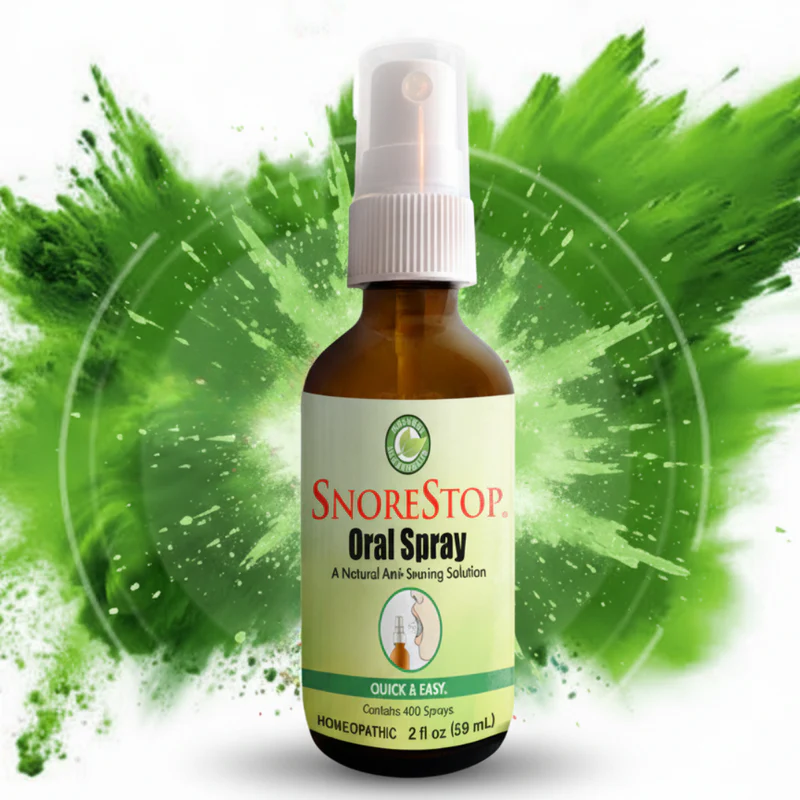
Snoring is a widespread condition that affects millions of people worldwide. While often dismissed as a minor inconvenience, it can have broader implications for sleep quality, overall health, and interpersonal relationships. Over the years, a variety of remedies have been developed to address snoring, ranging from lifestyle changes to medical interventions and over-the-counter products. Among these solutions are anti-snoring sprays such as SnoreStop Anti-Snoring Spray.
This article takes a non-promotional, evidence-aware look at the concept behind such sprays, how they are intended to work, and where they fit within the broader landscape of snoring management. The goal is to provide clarity and context rather than endorsement.
Understanding Snoring
What Causes Snoring?
Snoring occurs when airflow through the mouth and nose is partially obstructed during sleep. This obstruction causes surrounding tissues to vibrate, producing the familiar sound associated with snoring.
Common contributing factors include:
- Relaxation of throat muscles during sleep
- Nasal congestion or blockage
- Obesity or excess weight around the neck
- Sleeping position, particularly lying on the back
- Alcohol consumption before bedtime
- Structural features such as a deviated septum
The severity of snoring can range from occasional and mild to chronic and disruptive.
Snoring vs. Sleep Disorders
It is important to distinguish between simple snoring and more serious conditions such as obstructive sleep apnea (OSA).
- Simple snoring: Primarily a sound issue without significant breathing interruption
- Obstructive sleep apnea: Characterized by repeated pauses in breathing, often accompanied by gasping or choking
Products like anti-snoring sprays are generally intended for mild to moderate snoring rather than clinical sleep disorders.
The Concept Behind Anti-Snoring Sprays
Anti-snoring sprays, including SnoreStop Anti-Snoring Spray, are typically designed to target the tissues in the throat or nasal passages.
Two Common Types
- Throat sprays
- Applied directly to the back of the throat
- Aim to lubricate or tone soft tissues
- Nasal sprays
- Applied inside the nostrils
- Focus on improving airflow through nasal passages
SnoreStop falls into the category of throat sprays.
How SnoreStop Anti-Snoring Spray Is Intended to Work
Lubrication of Soft Tissues
One of the primary mechanisms is lubrication. During sleep, dry or relaxed tissues in the throat may vibrate more easily. A spray may:
- Coat these tissues
- Reduce friction
- Minimize vibration intensity
Muscle Tone Support
Some formulations claim to support muscle tone in the throat. The idea is that firmer tissues are less likely to collapse and vibrate.
Temporary Effect
It is important to note that such sprays are generally designed for short-term use, often applied before bedtime. Their effects typically last for a limited duration.
Ingredients and Formulation Considerations
While formulations vary, anti-snoring sprays often include:
- Water-based solutions
- Herbal extracts
- Glycerin or similar compounds for lubrication
- Natural flavoring agents
The use of herbal or homeopathic ingredients is common in this category, though scientific evidence supporting their effectiveness can vary.
Scientific Perspective
Evidence and Research
The scientific support for anti-snoring sprays is mixed. Some users report noticeable improvements, while others experience minimal change.
Challenges in evaluating effectiveness include:
- Variability in individual anatomy
- Differences in snoring causes
- Subjective nature of reported outcomes
Clinical studies on such sprays are relatively limited compared to more established treatments.
Placebo Effect
In some cases, perceived improvements may be influenced by expectation. This does not invalidate user experiences but highlights the complexity of measuring outcomes.
Practical Usage
Application
Typical use involves:
- Spraying the solution into the throat before sleep
- Avoiding eating or drinking immediately afterward
Consistency may play a role in perceived effectiveness.
Ease of Use
Compared to other snoring interventions, sprays are:
- Non-invasive
- Quick to apply
- Portable
This simplicity contributes to their appeal.
Advantages
Convenience
One of the main advantages is ease of integration into a nightly routine.
Non-Invasive Approach
Unlike devices such as mouthguards or CPAP machines, sprays do not require physical adjustments or fittings.
Accessibility
They are widely available without prescription, making them accessible to a broad audience.
Limitations
Temporary Relief
The effects are typically short-lived and require repeated use.
Variable Effectiveness
Not all users experience significant improvement. Effectiveness depends heavily on the underlying cause of snoring.
Not Suitable for All Cases
Individuals with conditions such as sleep apnea may not benefit from sprays alone and should seek medical evaluation.
Comparison with Other Snoring Solutions
Lifestyle Changes
Examples:
- Weight loss
- Reducing alcohol intake
- Changing sleep position
Pros:
- Address root causes
- Long-term benefits
Cons:
- Require sustained effort
Nasal Strips
Function:
- Open nasal passages
Pros:
- Simple and drug-free
Cons:
- Limited to nasal-related snoring
Mouthguards (Mandibular Advancement Devices)
Function:
- Reposition the jaw to keep airways open
Pros:
- Effective for many users
Cons:
- Can be uncomfortable
- Require adjustment
CPAP Machines
Function:
- Provide continuous airflow
Pros:
- Highly effective for sleep apnea
Cons:
- Expensive
- Requires adaptation
Where Sprays Fit In
Anti-snoring sprays occupy a middle ground:
- Less invasive than devices
- Easier to use than lifestyle changes in the short term
- Less powerful than medical interventions
User Experience Factors
Expectations
Users may expect immediate results, but outcomes can vary. Realistic expectations are important.
Consistency
Regular use may influence effectiveness, though results are not guaranteed.
Sensory Experience
Factors such as taste and throat sensation can affect user satisfaction.
Safety and Considerations
General Safety
Most over-the-counter sprays are considered safe when used as directed. However:
- Allergic reactions are possible
- Overuse should be avoided
Consultation
Individuals experiencing:
- Loud, chronic snoring
- Daytime fatigue
- Breathing interruptions during sleep
should consider consulting a healthcare professional.
Broader Health Context
Sleep Quality
Snoring can disrupt sleep for both the individual and their partner. Addressing it may improve:
- Sleep continuity
- Daytime alertness
Relationship Impact
Snoring is a common source of sleep disturbance for partners, sometimes leading to separate sleeping arrangements.
Behavioral and Environmental Factors
Sleep Position
Sleeping on the back often worsens snoring. Side sleeping may help reduce it.
Bedroom Environment
Factors such as:
- Air quality
- Humidity levels
can influence breathing and snoring.
Psychological and Social Dimensions
Snoring is not just a physical issue. It can carry:
- Social embarrassment
- Self-consciousness
- Frustration for both the snorer and others
Products like sprays are sometimes used as a first step before exploring more involved solutions.
Long-Term Considerations
Habit Formation
Relying solely on short-term solutions may delay addressing underlying causes.
Monitoring Changes
Changes in snoring patterns may indicate shifts in health or lifestyle and should not be ignored.
Evaluating Effectiveness
When assessing whether a product like SnoreStop Anti-Snoring Spray is working, users might consider:
- Frequency of snoring
- Intensity of sound
- Feedback from others
- Personal sleep quality
Keeping a simple sleep log can help identify patterns.
Common Misconceptions
“Snoring Is Harmless”
While often benign, persistent snoring can signal underlying issues.
“One Solution Fits All”
Snoring has multiple causes, and no single remedy works universally.
“Immediate Results Are Guaranteed”
Responses to treatments vary widely.
Integrating Multiple Approaches
For many individuals, combining strategies may yield better results than relying on a single method.
For example:
- Using a spray alongside positional changes
- Improving sleep hygiene
- Addressing nasal congestion
Ethical and Marketing Considerations
The anti-snoring market includes a wide range of products with varying levels of evidence. Consumers should:
- Evaluate claims critically
- Look for transparent information
- Be cautious of exaggerated promises
Conclusion
SnoreStop Anti-Snoring Spray represents one of many approaches to managing snoring, particularly for individuals seeking a simple and non-invasive option. Its intended mechanism—lubricating throat tissues and potentially reducing vibration—aligns with common strategies used in similar products.
However, its effectiveness is not universal and depends largely on the underlying cause of snoring. While it may offer temporary relief for some users, it is not a comprehensive solution, especially for more serious conditions such as sleep apnea.